
June 2026 Updates
In this June edition of our newsletter, we’re excited to share some of the latest developments, highlights, and upcoming activities from CTNA-ACPF.

The Senate report calls for investment in forest regeneration and reforestation
The recent report from the Standing Senate Committee on Agriculture and Forestry, Canada in Flames: From Crisis to Resilience , recommends strengthening Canada's capacity for forest regeneration and reforestation as part of a broader strategy to address the increasing impacts of forest fires.
The report acknowledges that successful forest restoration depends on much more than simply planting trees. Seed collection programs, seed orchards, forest nurseries, infrastructure, and a skilled workforce all play a vital role in enabling Canada to meet future restoration needs.
Notably, Chapter 3 of the report includes testimony from Randy Fournier, a former board member of the Canadian Association of Forest Professionals (CAFP-CTNA), who emphasized the importance of long-term planning and sustained investment to support forest recovery after wildfires and strengthen restoration capacity. His comments support a central message of the report: Canada must ensure that the systems necessary for the production and supply of forest seedlings are in place before restoration needs arise.
As restoration needs continue to grow, long-term planning and investment across the entire forest restoration supply chain will be essential to ensure that forests can be successfully restored, in the right place and at the right time.
Forest fires destroy trees faster than we can replace them.
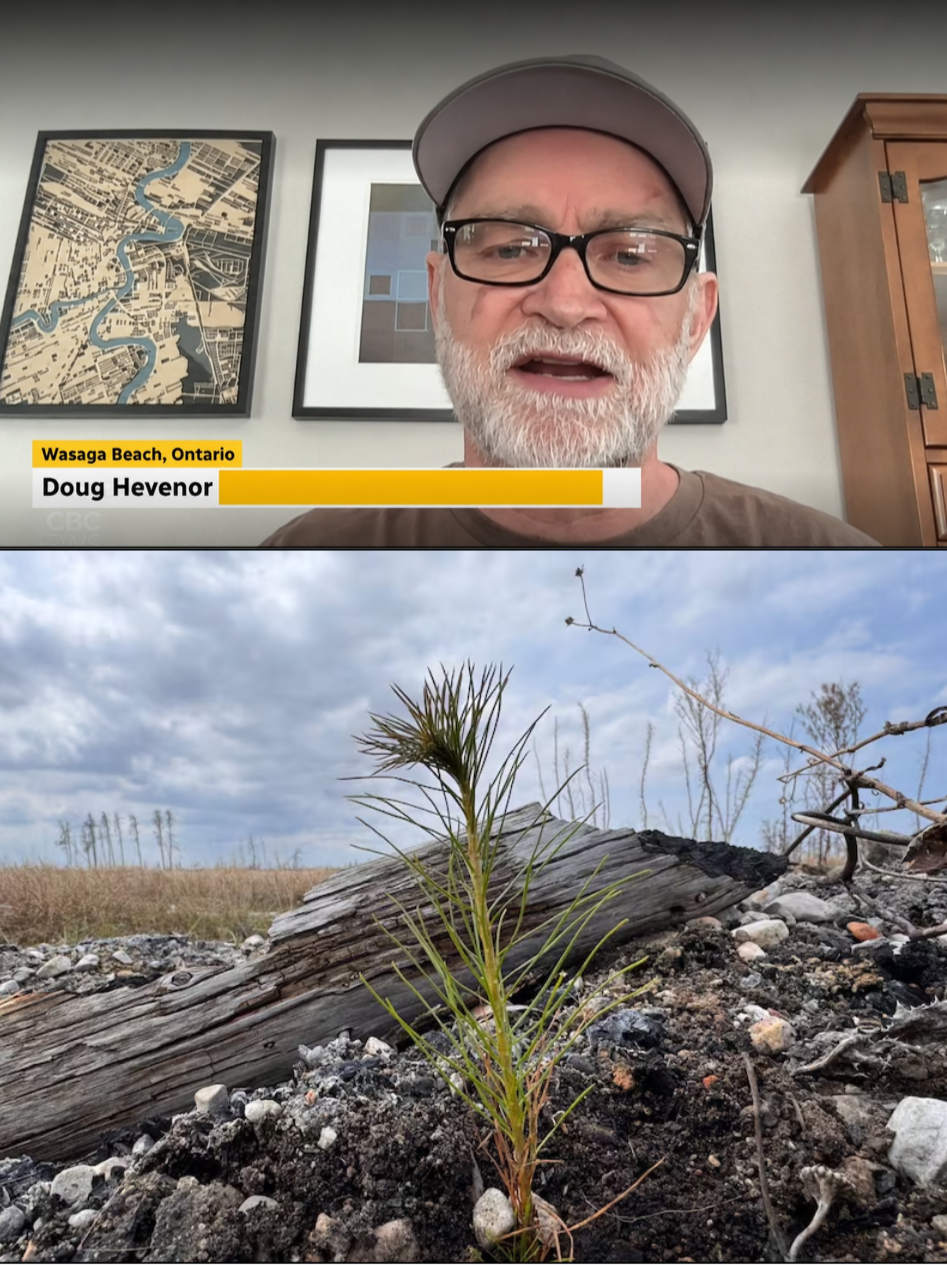
Our executive director, Douglas Hevenor, recently gave an interview to CBC News to discuss the immense challenge of restoring forests affected by recent wildfire seasons.
As the impacts of wildfires continue to intensify, the demand for forest restoration is becoming a structural reality rather than a one-off phenomenon. Meeting future needs will require long-term planning, sustained investment, workforce development, and coordination across the entire forest restoration supply chain.
Why natural regeneration is not always enough
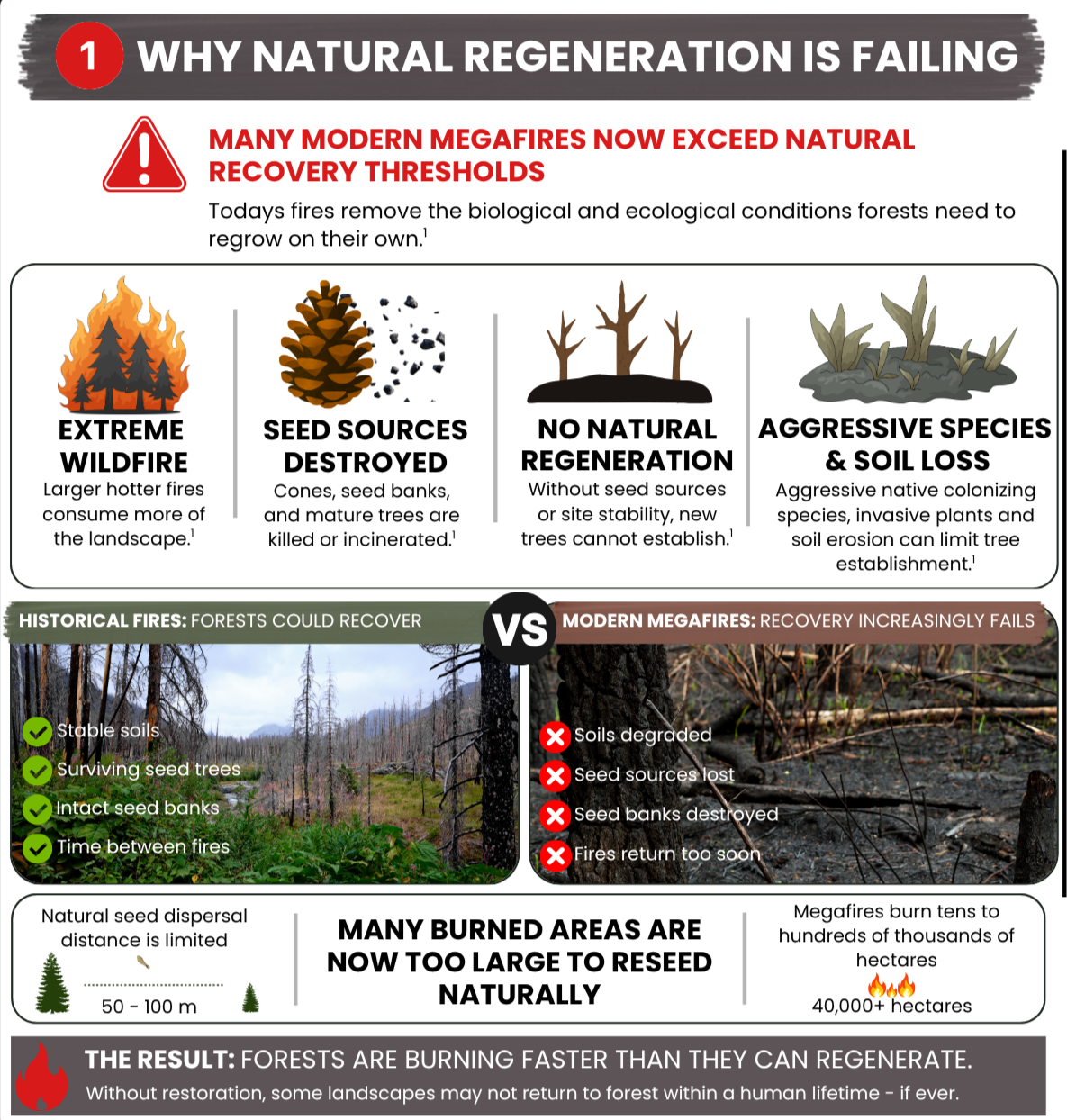
Although natural regeneration plays an important role in forest recovery, the increasing intensity and frequency of forest fires are creating growing challenges in several regions of Canada.
High-intensity wildfires, the risk of reburning, climate change, and the loss of nearby seed sources can all reduce the capacity of forests to regenerate naturally at the necessary rate and scale. As the impacts of wildfires continue to worsen, active restoration and reforestation efforts will play an increasingly important role in maintaining resilient forests.
Inspiring the next generation at the First Nations Forestry Conference
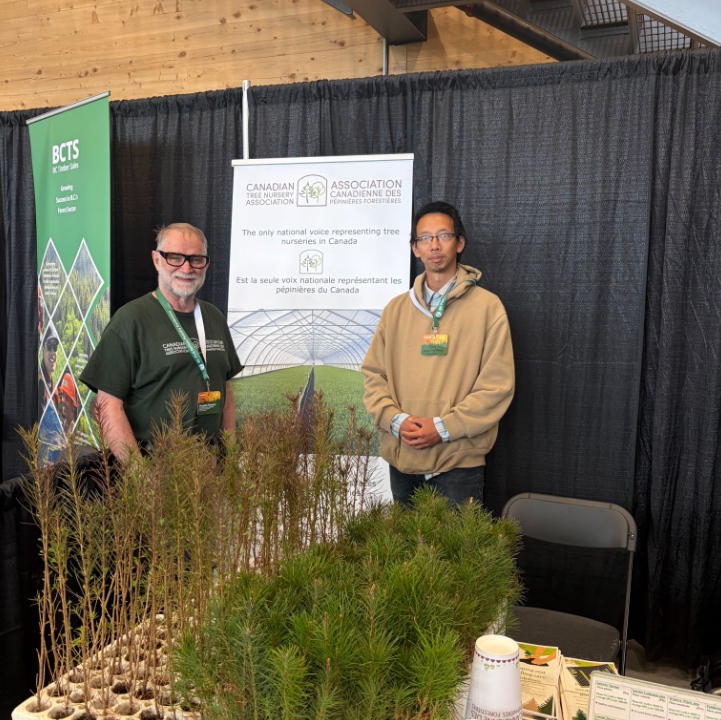
The ACPF-CTNA was delighted to engage with many students during the youth component of the BC First Nations Forestry Conference and to help introduce the next generation to careers in forestry and restoration.
A huge thank you to Henry Yang of K&C Silviculture in Oliver, British Columbia—a nursery member of the ACPF-CTNA—who generously provided Western Larch and Lodgepole Pine seedlings for our booth. The students loved potting up the seedlings to take home, and we had a great time talking with young people from across the Okanagan Valley about the many career opportunities in the forestry sector.
Meeting with Ontario's Associate Minister, Kevin Holland
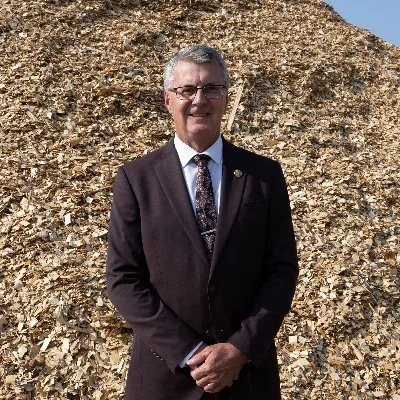
The ACPF-CTNA recently met with Ontario's Associate Minister of Forests and Forest Products, Kevin Holland, to discuss the growing need for long-term planning in forest restoration, nursery production capacity and workforce development in the Canadian reforestation sector.
The discussions highlighted the increased restoration needs following recent forest fire seasons, the importance of strengthening the workforce in Canadian forest nurseries, and opportunities to support long-term restoration capacity through coordinated planning and investment.
We appreciate the opportunity to continue these important conversations and advocate for the future of the Canadian forest restoration sector.
Canada has lost billions of trees, but we can still build the forests of tomorrow.
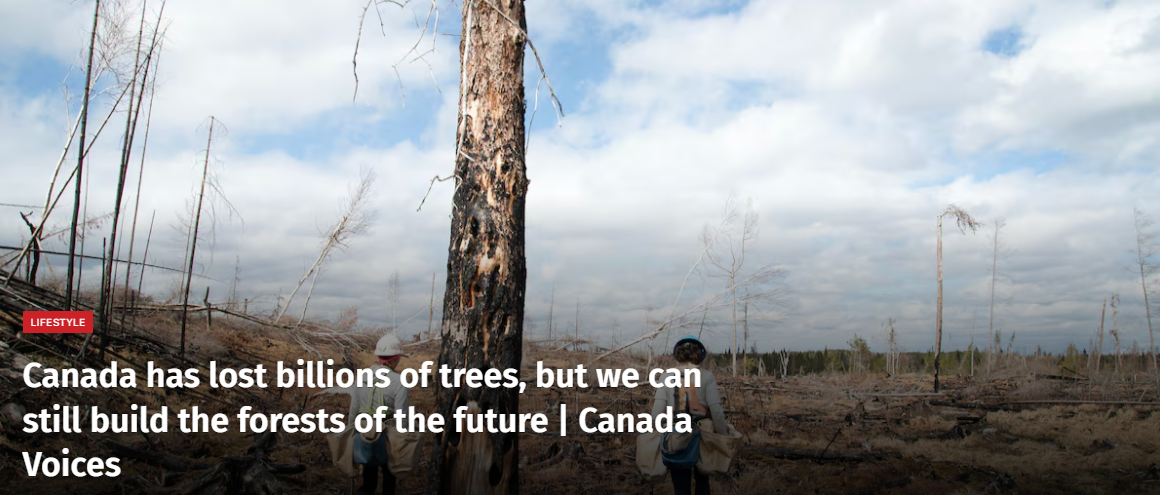
A recent article in Canada Voices highlights the challenges and opportunities facing Canadian forests after several years marked by severe forest fires.
The article explains how long-term restoration planning, nursery capacity, seed supply, and workforce development will all play a vital role in rebuilding resilient forests for future generations.
“This isn’t just a few unusual years,” says Rob Keen. “As long as we don’t recognize that the forest is Canada’s greatest natural resource and manage it properly, it will continue to burn.”
Canada is facing a wildfire crisis… and has a workforce that can contribute to the solution
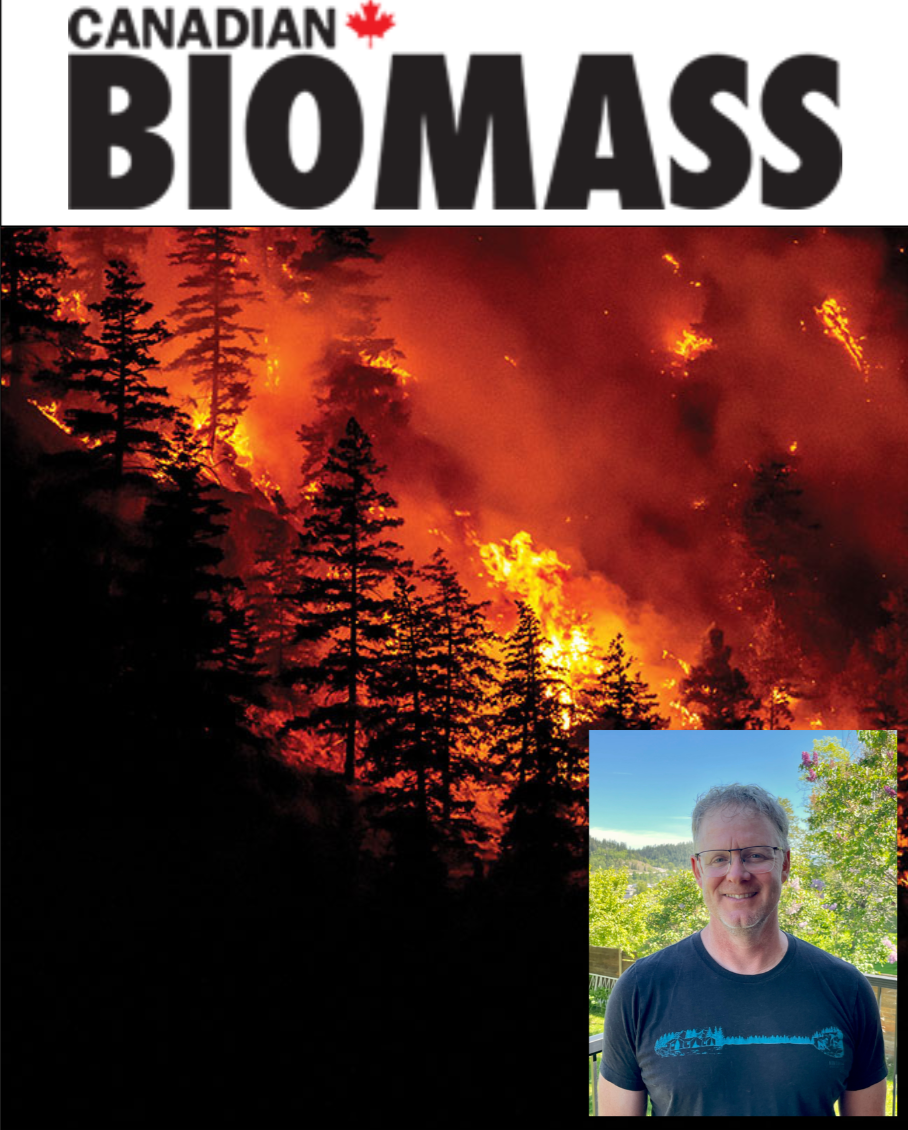
As Canada faces increasingly severe wildfire seasons and growing restoration needs, a recent article in Canadian Biomass Magazine explores how forestry expertise can play an increased role in mitigating wildfire risks, restoring forests and strengthening their long-term resilience.
The article highlights opportunities to better leverage existing skills and experience in the Canadian forestry sector, while emphasizing the importance of continuing to invest in workforce development and training to meet future restoration needs.
As Jeff Lutes points out: "We already have a workforce that includes forestry, firefighting, equipment, remote operations, and territory."
Supporting forest restoration in British Columbia
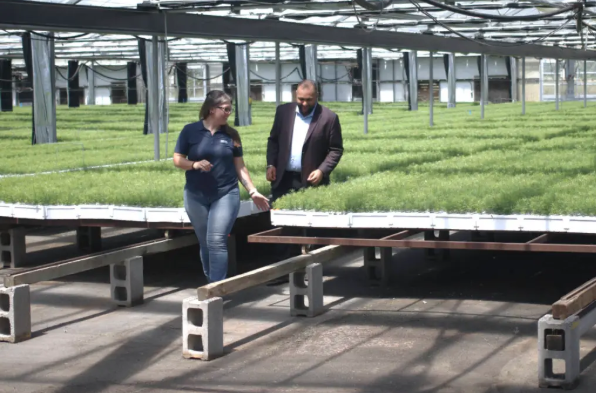
The ACPF-CTNA is proud to participate in an event in British Columbia highlighting the support of the federal and provincial governments for reforestation and habitat restoration projects funded under the 2 Billion Trees program.
The June 2 event, hosted by the British Columbia Ministry of Forestry at Western Forest Products' Saanich Forestry Centre, will highlight sixteen Indigenous-led tree-planting and restoration projects announced by the Government of Canada last May. These projects support forest recovery after fires, ecosystem restoration, and long-term forest resilience in British Columbia.
“The Canadian Forest Nursery Association (CFNA) is proud to support the British Columbia government’s commitment to restoring forests affected by wildfires and maintaining healthy ecosystems. Thanks to the efforts of just 25 of our member nurseries in Western Canada, over 335 million trees have been supplied, contributing to a vibrant forest restoration economy that has generated over $166 million in revenue in Western Canada.”
As restoration needs continue to increase across the country, collaboration between governments, Indigenous communities, nurseries and restoration organizations will remain essential to rebuilding resilient forests for future generations.
Canada’s Reforestation Capacity Is at a Critical Moment
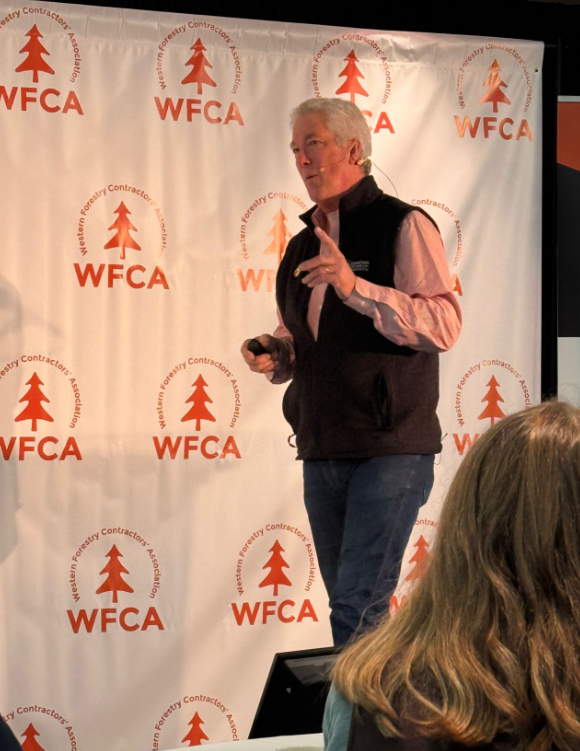
As discussions about forest recovery following wildfires continue across Canada, attention is once again focused on the estimate that 7.3 billion seedlings may be needed to restore just a portion of the forests affected by recent wildfire seasons.
This estimate illustrates the scale of the restoration work ahead and underlines the importance of long-term planning, nursery production capacity, seed supply, workforce development, and coordinated investments across the forest restoration sector.
Canadian forest nurseries are ready to be part of the solution, but increasing restoration capacity will require sustained support and long-term predictability throughout the forest restoration supply chain.
We cannot afford to wait.
Welcome to our newest members

CTNA-ACPF is pleased to welcome two new members to its growing network: Roserim Nursery Ltd and Purple Spring Reforestation Inc.

As the Canadian forest restoration sector continues to evolve and grow, collaboration between nurseries, restoration organizations, and industry partners is more important than ever. We are delighted to welcome Roserim Nursery and Purple Spring Reforestation as members and to benefit from their expertise and experience in shaping the future of regeneration and reforestation in Canada.

Special Thanks to Our Sponsors
We want to express our sincere gratitude to our partners and sponsors for their invaluable support. Your dedication and contributions make our work possible, helping us drive meaningful progress in forest restoration and ecosystem health across Canada.
Together, we’re building a greener, more sustainable future. Thank you for being an essential part of this journey!