
April 2026 Updates
In this April edition of our newsletter, we’re excited to share some of the latest developments, highlights, and upcoming activities from CTNA-ACPF.
Announcement From Rob Keen
Dear members,
As I reflect on the journey we’ve taken at the Canadian Tree Nursery Association / Association canadienne des pépinières forestières (CTNA-ACPF), I wanted to share a personal update.
After many rewarding years with CTNA-ACPF, I will be stepping down from the Association. While this marks a transition, it will be a gradual one. I will continue to consult as a strategic advisor in the near term, allowing me more time with family and to prepare for the next chapter ahead.
It has truly been a privilege to help build this association from the ground up. As an organization established only in the fall of 2023, we have accomplished a tremendous amount together in a very short time. None of this would have been possible without the commitment, trust, and leadership of our nursery members, who stepped forward early to help establish and shape a strong national voice for Canada’s forest nursery sector. I am deeply grateful for your support and belief in what this association has become.
I would also like to sincerely thank our Board of Directors — Scott, Brent, Ryan, Renee, and Mike — for their guidance, time, and steady leadership. Their dedication has been instrumental in building a credible, effective, and forward-looking association.
Together, we have strengthened the voice of Canada’s forest nursery sector, advanced critical conversations around seedling supply, workforce development, and forest restoration, and positioned nurseries as a foundational pillar of Canada’s forest restoration economy. These accomplishments are shared ones, and I am incredibly proud of the camaraderie built across all components of the restoration sector.
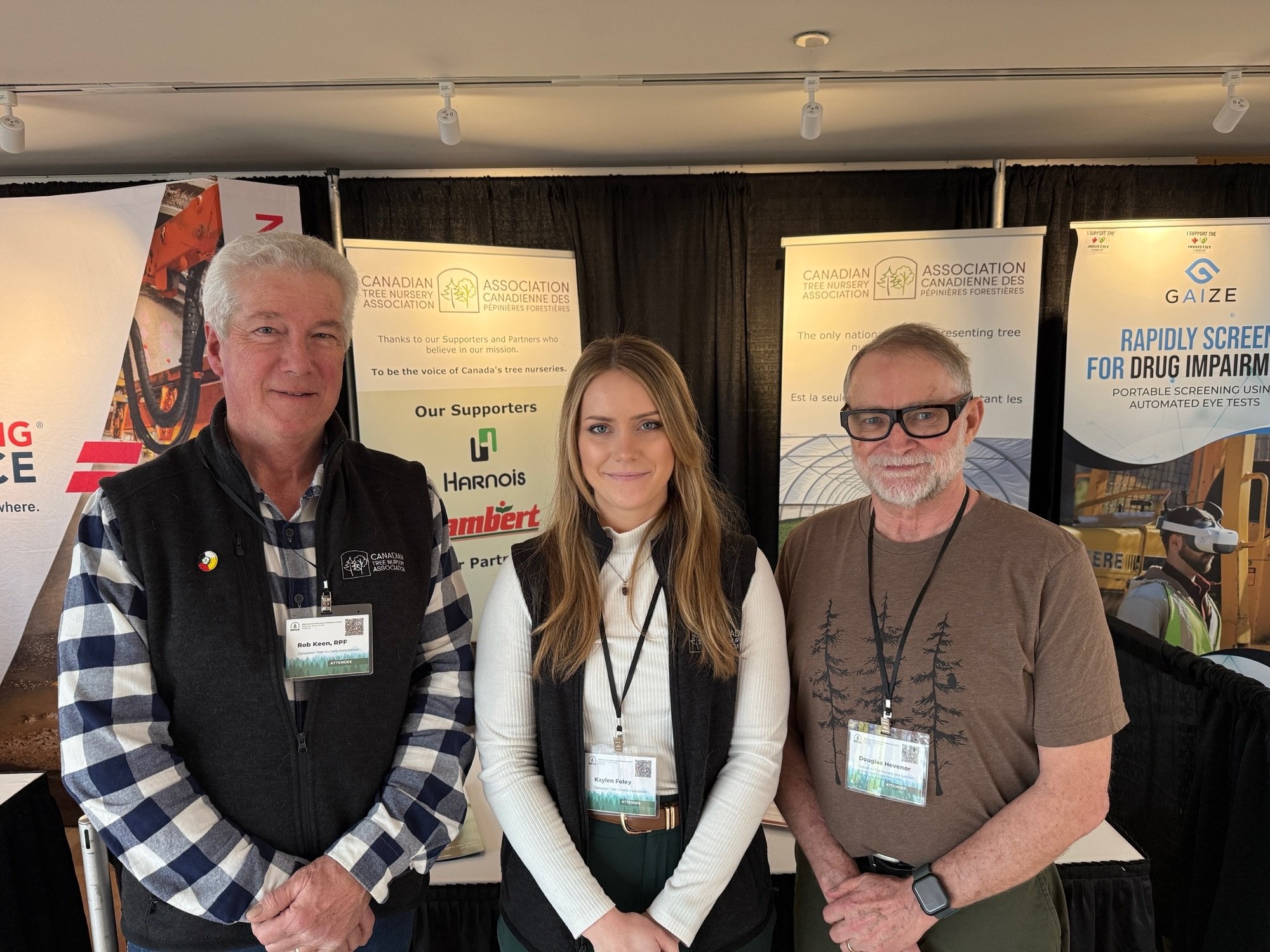
I’m pleased to share that Doug Hevenor will be stepping into the Executive Director role. Doug brings strong leadership, deep sector knowledge, and a clear vision for the future of CTNA-ACPF, and I have full confidence in his ability to guide the organization forward as it continues to grow its national impact.
I’m also incredibly proud of the team that will continue this work, including Kaylen Foley and Don Huff. Their dedication, professionalism, and passion for the sector give me great confidence in CTNA-ACPF’s future.
Finally, my sincere thanks to my family for their unwavering support over the years. I’m looking forward to spending more time with them, while still staying connected to a sector and community that mean so much to me.
Thank you all for being part of this journey. Our shared work continues — and the future of CTNA-ACPF is in very capable hands.
All the very best,
Rob
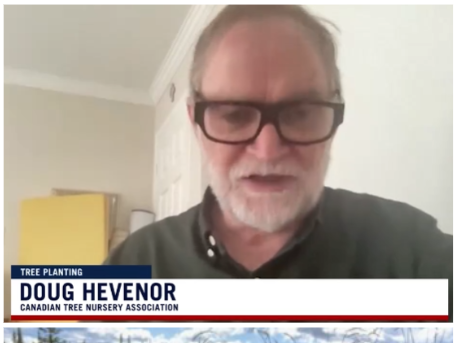
Plant or not to plant, and who pays to replant after wildfires?
Our Executive Director, Doug Hevenor, was featured in a recent CKPG Today article exploring who is responsible for replanting after wildfires. The piece highlights growing pressure on reforestation efforts as wildfire impacts intensify and natural regeneration becomes less reliable.
Advancing Conversations on Forest Restoration and Seedling Supply

CTNA-ACPF recently met with Manitoba’s management forester and silviculturist to discuss post-wildfire restoration and the increasing strain on Canada’s seedling supply. With restoration demand shifting from episodic to structural, coordinated action is needed to ensure nursery capacity can meet future needs. We will continue these conversations on April 23 with Saskatchewan’s Honourable Darlene Rowden, Minister of Environment, and on April 30th with Ontario’s Minister of Natural Resources, Mike Holland.
Engaging Future Foresters on Nursery Operations
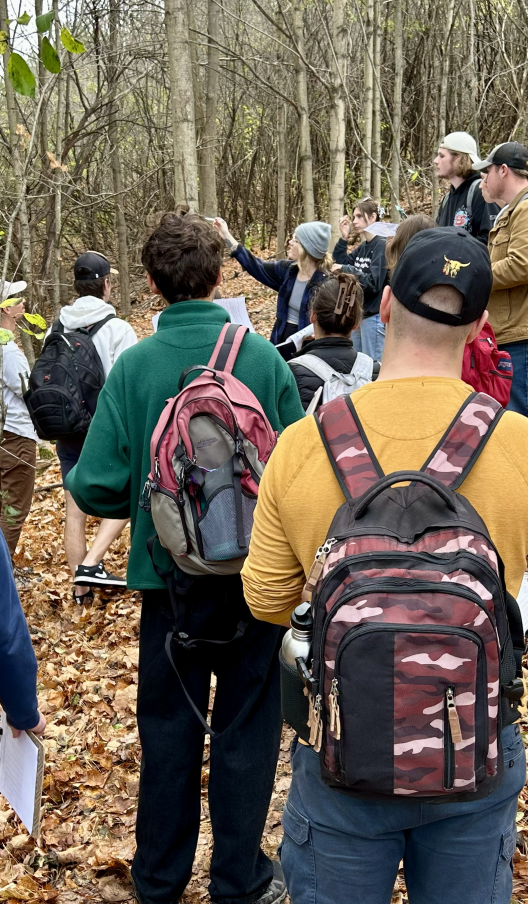
Our Director of Operations, Kaylen Foley, recently delivered a guest lecture to Trent University’s Management of Forest Ecosystems students. The lecture focused on the operational realities of forest nurseries, their critical role in supporting forest health and post-disturbance recovery, and the workforce challenges limiting Canada’s ability to scale restoration efforts. The session emphasized the importance of building capacity across the nursery sector to meet increasing demand.
Cultivating your Forest Restoration Career
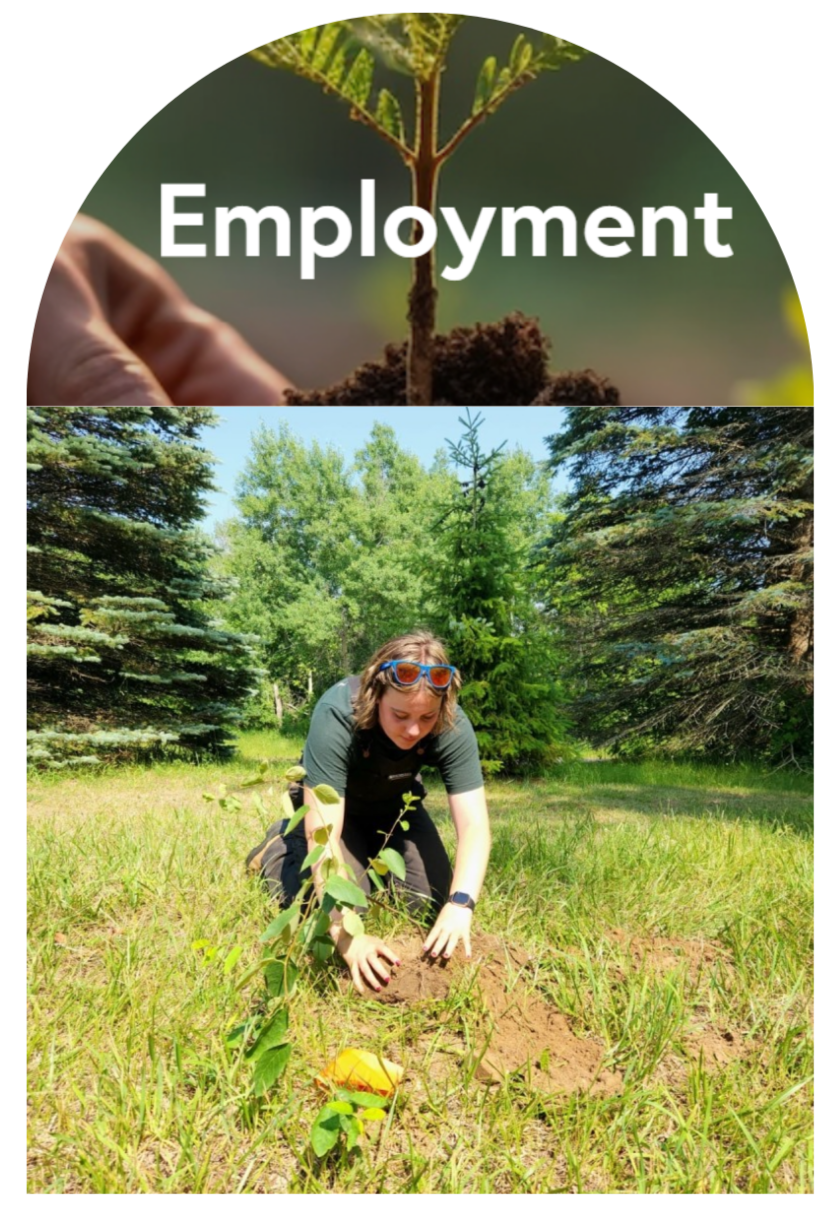
CTNA-ACPF’s new employment page connects job seekers with opportunities across Canada’s forest nursery sector. From seasonal positions to long-term careers. As demand for seedlings continues to grow, so does the need for skilled workers to support restoration efforts.
To be featured on our website, please share your current job postings with kfoley@ctna-acpf.ca
Member Discount: University of Guelph Course

CTNA-ACPF members can now access a 10% discount on an online Nursery Production course offered by University of Guelph. This is a great opportunity to learn basic skills in plant production and nursery practices. Use code CTNAmember at registration to apply the discount.
Canada’s Reforestation Capacity Is at a Critical Moment
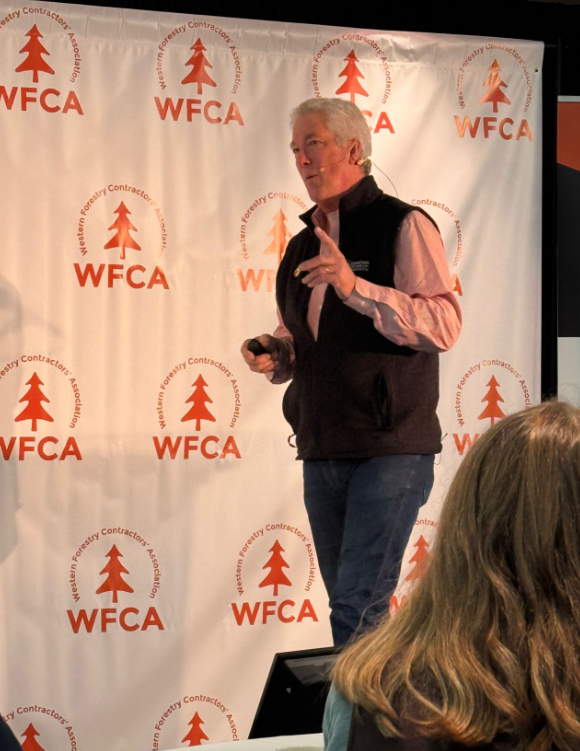
At the Western Forestry Contractors' Association Conference, Rob Keen, Executive Director of CTNA-ACPF announced new findings: Over 7.3 billion seedlings are required to restore just 15% of wildfire-impacted forests from 2023–2025. With natural regeneration declining and nursery production tightening across the country, the gap is widening.
This is a national challenge — and a national opportunity. Our nurseries grow the trees that grow Canada’s future forests.
This work cannot wait.
Strengthening a National Voice for Forest Restoration
Following the WFCA Conference in Victoria, CTNA-ACPF is moving forward with several important initiatives to strengthen Canada’s forest restoration sector. Through direct engagement with contractors, government officials, and industry partners, we have worked to align a more coordinated national approach to restoration.
There is strong and growing consensus around the need for a long-term, national post-wildfire forest restoration program—supported by federal investment and delivered collaboratively with provinces, Indigenous partners, and the broader forest sector. Our recent outreach, including letters to provincial ministers, has been well received and has already led to follow-up discussions with multiple jurisdictions.
At the conference, CTNA-ACPF met with Ravi Parmar, BC Minister of Forests and Chair of the Canadian Council of Forest Ministers, to reinforce the critical role of nursery production, seed supply, and workforce readiness in scaling up restoration efforts. We have been invited to continue these conversations, including a potential opportunity to present to forest ministers later this spring.
Building on this momentum, CTNA-ACPF is now translating these discussions into a formal 2026 action plan focused on increasing support for our membership and advancing sector capacity. The message from across the country is clear: forest nurseries are essential infrastructure in Canada’s restoration economy, and a strong, unified membership is key to ensuring our voice is heard.
We encourage members and partners to stay engaged as this work progresses, and we welcome new organizations looking to be part of shaping the future of forest restoration in Canada. Stay tuned for specific policy directions and next steps in the coming weeks.
Thank you for your continued support as we advance this work together.

Special Thanks to Our Sponsors
We want to express our sincere gratitude to our partners and sponsors for their invaluable support. Your dedication and contributions make our work possible, helping us drive meaningful progress in forest restoration and ecosystem health across Canada.
Together, we’re building a greener, more sustainable future. Thank you for being an essential part of this journey!